
You’re probably standing in a bathroom that feels smaller every year.
The medicine cabinet is full. The vanity drawers jam. Two people can’t pass each other without turning sideways. The tub takes up most of one wall, but it mostly holds shampoo bottles or gets used as a place to wash the dog. In many Seattle and Tacoma homes, especially older ones, that cramped five-by-eight layout isn’t unusual. It’s the default.
Most advice about how to maximize small bathroom space starts and ends with finishes. Use lighter tile. Add a mirror. Choose a floating vanity. Some of that helps, but the result usually falls apart if the project itself is poorly planned. A small bathroom is less forgiving than almost any other room in the house. Every inch matters. So does sequencing. So does knowing what can move, what can’t, what needs a permit, and where homeowners usually spend money too early.
A better bathroom starts before demo day. It starts with the layout, the plumbing constraints, the storage plan, and a realistic understanding of permits, lead times, and labor. That’s what separates a remodel that merely looks better from one that functions better every day.
The Enduring Problem of the Five-by-Eight Bathroom
The five-by-eight bathroom creates the same set of frustrations in house after house.
A family buys a solid older home with good bones. The location works. The kitchen can wait. The yard is manageable. Then daily life starts, and the bathroom becomes the bottleneck. There’s nowhere to put towels, no landing space around the sink, and the door swing blocks traffic. A bulky tub occupies prime real estate even though the household would rather have a shower.
That isn’t just a design issue. It’s a construction and planning issue.
In older Seattle-area homes, small bathrooms were often built around basic plumbing runs and simple fixture placement, not modern storage needs or aging-in-place priorities. Once a homeowner starts looking at improvements, they usually find that every decision affects something else. Move a vanity, and you may need electrical changes. Change the tub, and you may need new waterproofing, revised plumbing, and permit review. Swap in a pocket door, and suddenly the wall cavity matters.
Practical rule: In a small bathroom, the layout decision you make first usually determines the cost and complexity of the next five decisions.
That’s why the smartest remodels begin with a builder’s mindset. Before talking about tile color or faucet finish, define the actual problem. Is the room short on circulation space, storage, accessibility, light, or all four? Which existing conditions are fixed, and which are flexible? What daily habit causes the most friction?
A well-managed remodel solves those pain points in order.
What homeowners usually get wrong
Many first-time remodelers focus on visible upgrades first. They shop vanities, tile, and lighting before confirming rough dimensions, framing conditions, or permit scope. That often leads to expensive redesigns.
The common mistakes are predictable:
- Buying fixtures too early: Homeowners order a vanity or shower glass before confirming rough opening sizes.
- Ignoring door swing: The room may feel cramped because the entry door steals usable space.
- Treating storage as an afterthought: The room looks clean on paper but has nowhere for daily items.
- Assuming every wall is available: Some walls hide plumbing, venting, or structural constraints.
What actually works
The best small bathroom projects are disciplined.
They solve movement first, then fixture scale, then storage, then finishes. They also respect the fact that a compact room magnifies every error. If a toilet is off-center, you see it immediately. If a niche is poorly placed, it interferes with the shower. If the vanity is too deep, the whole room feels wrong.
Homeowners don’t need gimmicks. They need a plan that matches the room, the house, and the way the bathroom gets used.
Your Remodel Blueprint for Planning Permits and Budgeting
A small bathroom remodel succeeds or fails before the first tile comes off the wall. Pre-construction is where space gets won or lost.

Start with the room you actually have
Measure everything. Not just wall-to-wall dimensions.
You need the rough location of the toilet flange, drain lines, supply lines, window trim, door swing, ceiling height, and the depth of any soffits or chases. In a small bath, the plumbing stack and vent path can limit how much freedom you really have. Some layouts look simple on paper and become expensive once moving drain locations enters the picture.
Take photos after opening walls if you’re doing exploratory work. Mark stud spacing and note where mechanical lines run. Recessed storage, wall-hung fixtures, and medicine cabinets all depend on what’s inside the wall, not just what’s visible from the room.
If you’re unsure how to organize that early planning work, this guide on how to plan a bathroom renovation is a useful starting point.
Build the budget around scope, not wishful thinking
The budget for a small bathroom can go sideways fast because homeowners assume a smaller footprint means a simpler project. It often doesn’t.
Bathrooms pack plumbing, electrical, ventilation, waterproofing, finish carpentry, tile, and fixture installation into a tight footprint. Labor stays concentrated. Access can be difficult. Material waste can increase when tile cuts become more intricate.
A practical budget framework should separate the project into categories such as:
- Demolition and disposal: Old tile, mud beds, cast-iron tubs, damaged drywall, and haul-away.
- Rough work: Plumbing updates, electrical changes, exhaust fan work, framing adjustments, and subfloor repairs.
- Waterproofing and substrate: Backer systems, membranes, shower pan components, and prep work.
- Finish materials: Tile, grout, fixtures, vanity, top, mirror, paint, trim, hardware, and lighting.
- Glass and specialty items: Shower enclosure, custom niches, medicine cabinets, and storage accessories.
- Contingency: Reserve for hidden damage, layout corrections, or owner-driven changes.
The contingency matters most in older homes. Once demolition starts, crews sometimes find water damage around the tub, uneven framing, out-of-plumb walls, or outdated wiring. If the budget has no breathing room, the whole project gets stressed at exactly the wrong point.
Don’t spend the full budget on visible finishes. A bathroom fails from behind the tile long before it fails from an average-looking faucet.
Plan accessibility before you think you need it
Accessibility upgrades are easier and cheaper to plan at the beginning than to retrofit later.
A 2025 AARP study reports 78% of adults over 50 prefer aging-in-place homes, yet only 12% of small bathroom remodels incorporate universal design features. The same source notes that 25% of households in Greater Seattle-Tacoma are multi-generational, which makes early planning for features like zero-threshold showers and lever-handled fixtures more practical than many homeowners assume.
That doesn’t mean every bathroom must look clinical. It means backing for future grab bars, a low-threshold or zero-threshold entry, and easier-to-use controls should be part of the discussion while walls are open.
Understand permit triggers before work begins
Permits aren’t optional just because the room is small.
If the remodel changes plumbing, alters electrical, modifies ventilation, or changes structure, permit requirements usually come into play. Even when a homeowner wants a simple refresh, scope has a way of expanding once walls are open. A vanity light swap can become a wiring correction. A tub replacement can become a plumbing rework.
The practical reasons to permit the job are straightforward:
- Inspection protects hidden work: Waterproofing, wiring, and plumbing mistakes are expensive once the room is closed up.
- Future resale gets cleaner: Buyers and agents often ask about remodel documentation.
- Schedule risk drops: A failed or missing permit can stop work at the worst time.
- Trade coordination improves: Licensed trades tend to sequence better when permit scope is clear.
Some homeowners try to save time by skipping this step. That almost always creates more delay, not less.
Create a real timeline, not a hopeful one
Bathroom timelines are driven by decisions and lead times as much as labor.
If the tile is delayed, the shower can’t be waterproofed and finished on time. If the vanity arrives damaged, countertop templating stalls. If the permit review runs longer than expected, demo gets pushed. The room is small, but the project still depends on sequencing.
A workable timeline usually includes:
- Design lock: Final layout, fixture selections, tile choices, and storage details.
- Procurement: Order long-lead items before demolition.
- Permit review: Submit complete information, not partial guesses.
- Demolition and rough work: Open walls, correct framing, run plumbing and electrical.
- Inspection and close-in: Pass inspections before covering critical work.
- Finishes and punch list: Tile, paint, trim, hardware, glass, and final corrections.
The project manager’s test
Before greenlighting construction, answer these questions:
| Question | Why it matters |
|---|---|
| Have all fixtures been selected? | Rough-in locations depend on real products, not placeholder assumptions. |
| Is the storage plan defined? | Storage affects framing, mirror selection, and wall space. |
| Are permit needs confirmed? | Scope changes can delay or halt the project if this is vague. |
| Is there a contingency plan? | Hidden conditions are common in older bathrooms. |
| Do lead times fit the schedule? | One late item can stall multiple trades. |
A small bathroom remodel feels manageable because the room is compact. The process isn’t compact. The homeowners who get the best result are the ones who treat planning like part of the build, not paperwork before the build.
Choosing Smart Layouts and Space-Saving Fixtures
Layout does more for a small bathroom than decor ever will. If the room flows well, even modest finishes can feel intentional.

Tub-shower combo versus walk-in shower
This is the biggest fork in the road for many small bathrooms.
A standard 60×32 inch bathtub replaced with a walk-in shower can free up approximately 20-30% more floor space, and clear glass can make the room appear up to 15-20% larger visually. That matters in older Seattle homes where bathrooms are often compact enough that one bulky fixture dominates the whole room.
The trade-off is straightforward. A shower usually improves daily use, sightlines, and accessibility. A tub can still make sense for households with very young children, specific bathing preferences, or resale priorities in certain homes.
A side-by-side comparison helps:
| Layout option | What works well | What to watch |
|---|---|---|
| Tub-shower combo | Familiar layout, good for bathing kids, fewer structural changes in some remodels | Keeps a bulky fixture in the room and often limits visual openness |
| Walk-in shower with glass | Improves circulation, opens sightlines, easier to clean and access | Requires careful waterproofing and good product selection |
| Corner or neo-angle shower | Uses awkward corners efficiently and can improve entry circulation | Can feel tight if fixture placement is rushed |
| Wet-room style layout | Minimal visual barriers and simplified floor plane | Demands excellent waterproofing and precise floor slope work |
If you’re still weighing tub retention, looking at visual examples of best bathtub solutions can help clarify whether a smaller-format tub fits your actual needs or whether a shower conversion makes more sense.
The door matters more than homeowners expect
A traditional hinged door often wastes valuable clearance.
If the door swings into the room, it can block the vanity, interfere with a toilet location, or compress the entry sequence. A pocket door can recover space, but only if the wall cavity is suitable and doesn’t carry plumbing or key electrical lines. A well-planned outswing door can also help, especially when wall conditions make a pocket door impractical.
Barn doors get attention, but in bathrooms they aren’t always the best answer. They save swing space, but they don’t seal for privacy the way many homeowners expect.
The right door choice isn’t about style. It’s about whether the room works when someone enters, exits, and uses every fixture on a rushed weekday morning.
Choose fixtures that improve circulation
Small bathroom fixtures should solve movement problems, not just fit dimensionally.
A narrow-depth vanity usually works better than a deep cabinet with oversized drawers. A wall-mounted faucet can free up counter surface on a compact sink. A corner sink can solve a layout conflict near the entry. An elongated toilet may be comfortable, but the room still needs legroom and pass-through clearance.
What works in practice:
- Floating vanities: They expose more floor and reduce visual bulk.
- Compact sink profiles: Better for narrow rooms and tight door approaches.
- Shower niches instead of caddies: They keep the enclosure cleaner and less cluttered.
- Fixed glass panels: Often cleaner-looking than busy framed enclosures.
What often disappoints:
- Overbuilt vanities: They promise storage but choke circulation.
- Heavy framing on shower glass: It visually chops up the room.
- Too many fixture styles mixed together: The room feels busy fast.
- Novelty layouts without enough elbow room: They look clever online and feel awkward in daily use.
A well-chosen layout is easier to understand when you can see the parts in motion. This walkthrough is useful for visualizing compact-space planning and fixture placement:
Keep the rough-in implications in mind
Every fixture choice affects the work behind the walls and under the floor.
Changing a tub to a shower may alter drain placement and waterproofing details. A wall-hung toilet can improve floor openness, but it needs in-wall support and early planning. A floating vanity may require backing and more careful electrical coordination if lighting, outlets, or mirror cabinets are integrated.
That’s why the smartest homeowners evaluate fixtures on two levels. First, does it save space in daily use? Second, does the construction complexity align with the budget and schedule?
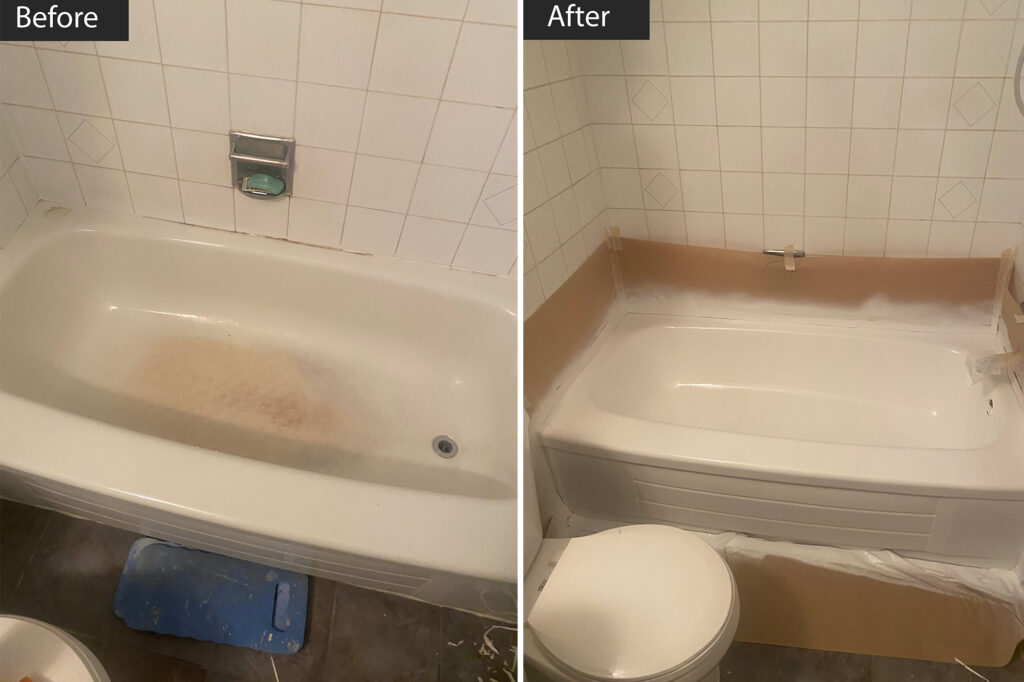
For layout inspiration grounded in real projects, it helps to study a few small bathroom remodel before and after examples and look closely at how circulation improved, not just how the finish palette changed.
Mastering Vertical Space and Concealed Storage
In a five-by-eight bathroom, storage problems usually show up before demolition starts. The countertop is full, extra toilet paper lives in a hallway closet, and everyone in the house is asking where the towels are supposed to go. If the storage plan waits until tile and paint selections are done, the room often ends up looking better but working about the same.
Good small-bath storage is decided during framing, electrical, and cabinet planning. That is the difference between a bathroom that stays clear for five years and one that collects baskets and clutter three weeks after move-in.
Recessed storage pays off when it is planned early
Recessed medicine cabinets, shower niches, and shallow wall cavities give you storage without stealing walking space. In a Seattle-area remodel, that matters because many older homes already start with tight clearances, uneven framing, and plumbing packed into interior walls.
The catch is simple. Recessed storage only works when the wall can spare the depth.
Before I approve a niche or in-wall cabinet location, I want to know four things: whether the wall is load-bearing, whether it carries supply or drain lines, whether it backs up to an exterior wall, and whether any electrical needs to move. On exterior walls in our climate, stealing insulation depth can create condensation and comfort problems, so that is often the wrong place to chase extra storage.
Good recessed storage usually includes:
- Medicine cabinets set into the wall: They store daily items without projecting into the room.
- Shower niches sized for real bottles: Height and width should follow what the household uses.
- Toilet-area recesses for paper or small supplies: Useful in rooms that cannot fit a side cabinet.
If your remodel is still at contractor-selection stage, ask how they coordinate framing, plumbing, and blocking for these details before drywall. A contractor who plans that work well usually plans the rest of the project well too. This guide on how to hire a general contractor for a bathroom remodel will help you vet that process.
Floating fixtures help, but they cost more to build correctly
Wall-mounted vanities and toilets can make a compact bathroom feel less crowded because more of the floor stays visible. They also make cleaning easier, which homeowners tend to appreciate more after move-in than during the design phase.
There is a construction trade-off, and it is not minor. Floating vanities need solid backing in the wall, careful layout, and tighter finish work so the installation looks intentional instead of awkward. Wall-hung toilets need an in-wall carrier, enough wall depth, and early coordination with plumbing and framing. In many remodels, especially in older Seattle and Tacoma homes, that added labor and wall work can outweigh the visual benefit.
That is why I treat floating fixtures as a budget decision first and a style decision second. If the project has room for the added framing, plumbing coordination, and inspection steps, they can be worth it. If the budget is already tight, a well-sized floor vanity with better drawer storage often delivers more practical value.

Use wall height carefully
Tall storage works best when it is shallow, intentional, and placed where doors and elbows will not fight it every day.
A narrow linen tower can work well beside a vanity or near the entry if it does not pinch circulation. Shelves above the toilet can work too, but only if they project modestly and are mounted cleanly. In some bathrooms, especially condos, rentals, or remodels where opening walls is not practical, over-door storage is a reasonable fallback. These bathroom over the door storage solutions show a few ways to use that space without turning the room into a catch-all.
Closed storage usually ages better than open shelving in a small bathroom.
Open shelves look neat on day one. Six months later, they tend to hold half-used products, extra tissue, and whatever did not fit anywhere else. A mirrored cabinet, drawer base, or full-height door panel keeps the room calmer and cuts down on visual noise.
Small details prevent countertop creep
Some of the best storage improvements are easy to miss on a finished plan.
An outlet inside a medicine cabinet keeps toothbrushes and razors off the vanity top. A toe-kick drawer can hold cleaning supplies or backup toiletries. A shallow ledge above a toilet carrier wall can give you a little landing space without adding a cabinet. Hooks often outperform towel bars in a tight bathroom because they fit behind doors or on short wall sections where a bar would never clear.
These details should be decided before rough-in and cabinet ordering, not during punch list. Late changes usually cost more and fit worse.
What tends to go wrong
Storage creates problems when every empty wall gets filled.
Avoid deep shelving near the door swing, tall cabinets that crowd the vanity, niches placed for symmetry instead of use, and random add-on organizers that were never part of the plan. Each one chips away at clearances, makes cleaning harder, or forces expensive adjustments after finishes are installed.
The best small-bath storage plan feels almost invisible. The room stays clear because everyday items already have a place, and the construction team accounted for those places before the walls were closed.
Knowing When to DIY and When to Call a Professional
A small bathroom can trick homeowners into thinking the work is simple. The footprint is small, but the risk isn’t.
Bathrooms combine water, power, ventilation, finish tolerances, and code-sensitive work in one of the tightest spaces in the house. If one trade gets something wrong, the damage often stays hidden until the room is closed up and in use.
The safe line for DIY work
There are parts of a bathroom remodel that a careful homeowner can reasonably handle. There are others that should stay with licensed trades and an experienced general contractor.
Here’s a practical breakdown.
| Task | Recommended for DIY? | Why or Why Not |
|---|---|---|
| Paint walls and ceiling | Yes | Good prep and the right bathroom-rated paint usually make this manageable. |
| Install towel hooks, mirrors, and hardware | Yes | Low risk if fasteners are appropriate for tile or drywall conditions. |
| Swap cabinet pulls and accessories | Yes | Cosmetic work with little downside if done carefully. |
| Simple fixture trim changes | Sometimes | Fine if shutoffs, fit, and finish are straightforward. Stop if any leak or compatibility issue appears. |
| Demolition | Sometimes | Possible, but easy to damage plumbing, wiring, adjacent finishes, or framing if done too aggressively. |
| Vanity installation | Sometimes | Works only when walls, floors, plumbing rough-ins, and level conditions cooperate. |
| Plumbing relocations | No | Hidden leaks and code issues are expensive and disruptive. |
| New electrical circuits or moving wiring | No | This work affects safety, inspections, and often permit requirements. |
| Shower waterproofing | No | A failure may not show up until damage is already inside walls or floors. |
| Tile pan slope and complex tile setting | No | Small rooms make poor layout and drainage errors obvious and hard to correct. |
| Structural framing changes | No | Improper modifications can affect more than the bathroom. |
Why pros matter most in hidden work
The parts that look invisible during construction are the parts that matter most later.
Homeowners usually notice tile pattern and vanity color first. They don’t see the waterproofing layers, venting corrections, subfloor prep, or rough plumbing quality once the room is finished. But those are the details that determine whether the remodel ages well.
A shower that isn’t waterproofed correctly may look perfect at final walkthrough. Months later, it may be feeding moisture into framing. The same goes for electrical work tucked behind a mirror or inside a vanity wall.
Hiring a pro for critical work isn’t about giving up control. It’s about protecting the room you’re paying to build.
Vetting a contractor without getting overwhelmed
Most homeowners don’t hire contractors often. That makes it easy to focus on personality or price and miss the process.
Ask how the contractor handles change orders, material delays, permit coordination, trade scheduling, and punch-list work. Ask who supervises the job day to day. Ask how they document selections before rough-in begins. Good answers are specific.
A useful next step is reviewing guidance on how to hire a general contractor so you know what to ask before signing anything.
The right hybrid approach
DIY doesn’t have to mean all or nothing.
Some of the best remodels use a hybrid model. The contractor handles planning, permits, rough work, waterproofing, tile, and finish carpentry. The homeowner takes on painting, hardware installation, or accessory styling after the critical path is complete.
That approach protects the schedule and the hidden systems while still letting homeowners stay hands-on where risk is low.
Bringing Your Vision to Life with Confidence
A Seattle homeowner signs off on tile, orders a vanity online, and books a contractor for next month. Then the vanity arrives too deep for the door swing, the plumbing wall needs more work than expected, and permit review adds time the family never built into the plan. That is how a small bathroom project starts feeling bigger than the room itself.
Confidence comes from decisions made before demolition day. In a five-by-eight bathroom, every inch affects something else. A wider vanity can tighten clearances. A recessed medicine cabinet may run into plumbing or wiring. A curbless shower may require floor framing work that changes both cost and schedule.
Homeowners who finish these projects well usually treat the remodel like a construction job first and a decorating project second. In the Seattle-Tacoma area, that means checking permit requirements early, confirming product lead times before the schedule is set, and carrying a contingency for hidden conditions in older homes. It also means choosing storage, lighting, and fixture placement as part of the build plan, not as last-minute upgrades.
That approach is what makes a small bathroom feel larger in daily use. Better circulation, cleaner sightlines, and fewer loose items on counters come from layout discipline and realistic planning.

What confidence looks like before construction starts
Before work begins, the project should answer a few practical questions:
- Is the layout fully resolved? Fixture locations, door swing, clearances, and storage zones should be settled before rough plumbing and electrical start.
- Are the actual materials selected and ordered? Placeholder choices cause field changes, and field changes cost money.
- Is the division of labor clear? Everyone should know what the homeowner is handling, what the contractor is handling, and where one scope ends and the next begins.
- Is there a plan for hidden conditions? In many Greater Seattle homes, opening walls can reveal water damage, out-of-date wiring, or framing that needs correction.
- Does the schedule match reality? Inspection timing, special-order materials, and trade coordination often matter more than the number of square feet.
I tell homeowners to judge readiness by how many decisions are still vague. If several answers depend on “we’ll figure it out later,” the project is not ready yet.
A small bathroom can become one of the most efficient rooms in the house. It can also become the room that burns through budget fastest if the planning is loose. The difference usually shows up before the first tile is set.
Turning Point Ventures, LLC helps Greater Seattle-Tacoma homeowners through bathroom remodels with the kind of steady project management that keeps small spaces from becoming stressful projects. If you want a bathroom that’s better planned, better built, and easier to live with, visit Turning Point Ventures, LLC to start the conversation.


0 Comments